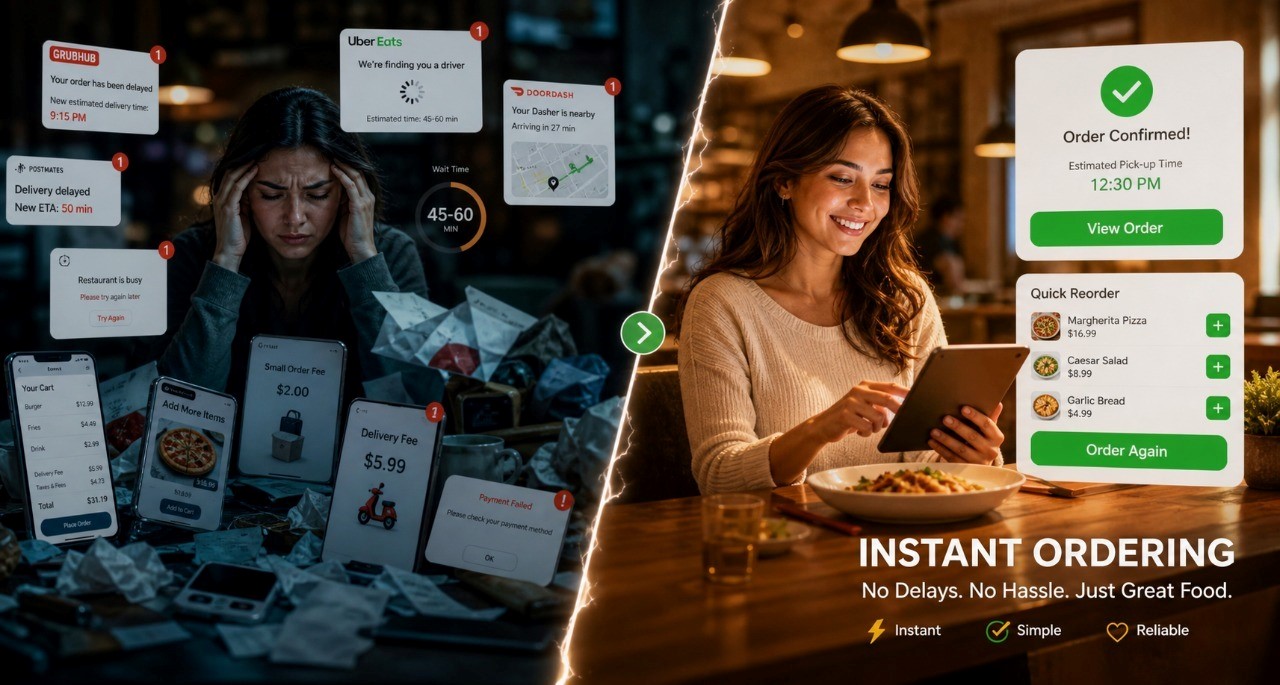
If the app isn’t increasing orders, then it’s just an extra expense.
In 2026, many restaurant owners still believe that having a mobile app is the path to success.
But the reality is completely different:
Customers are not looking for a new app… they are looking for an easier and faster way to order.
After the COVID-19 pandemic, customer behavior changed significantly. People now expect a smooth digital experience — without downloading, without complications, and without extra steps.
And here’s the contradiction:
Some restaurants invest in apps that are rarely used… while others increase their sales through simpler and more direct solutions.
In this article, we will explain when having an app is a smart decision… and when it simply becomes a waste of time.
Does every successful restaurant need an app?
A mobile food ordering app is a digital tool that allows customers to browse the menu and place orders easily from their phones. With the evolution of customer behavior, many restaurant owners believe that having an app has become essential to stay competitive.
But is that really true?
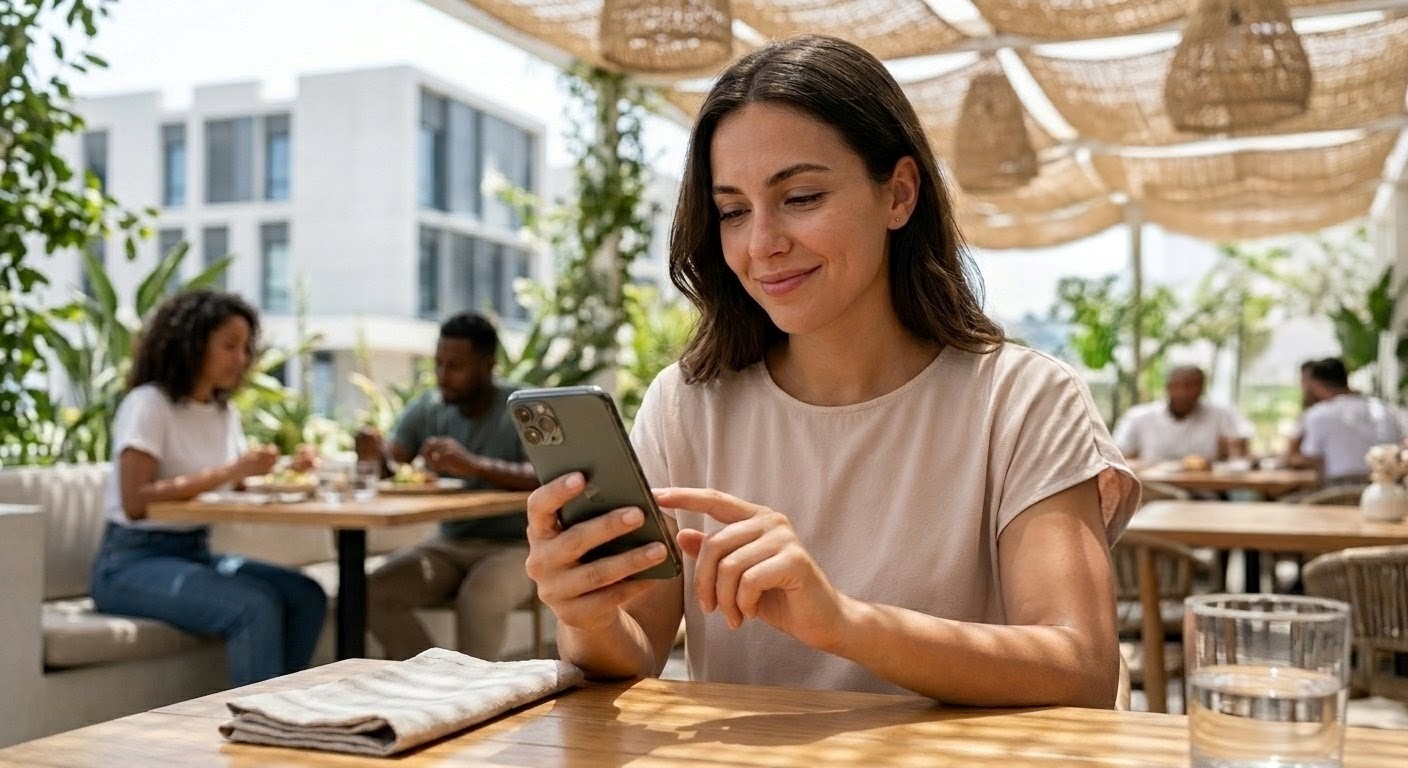
Yes, customer expectations have changed significantly in recent years. People now look for speed, convenience, and a smooth ordering experience. They also spend more time on their phones and prefer to place their orders quickly without waiting or complications.
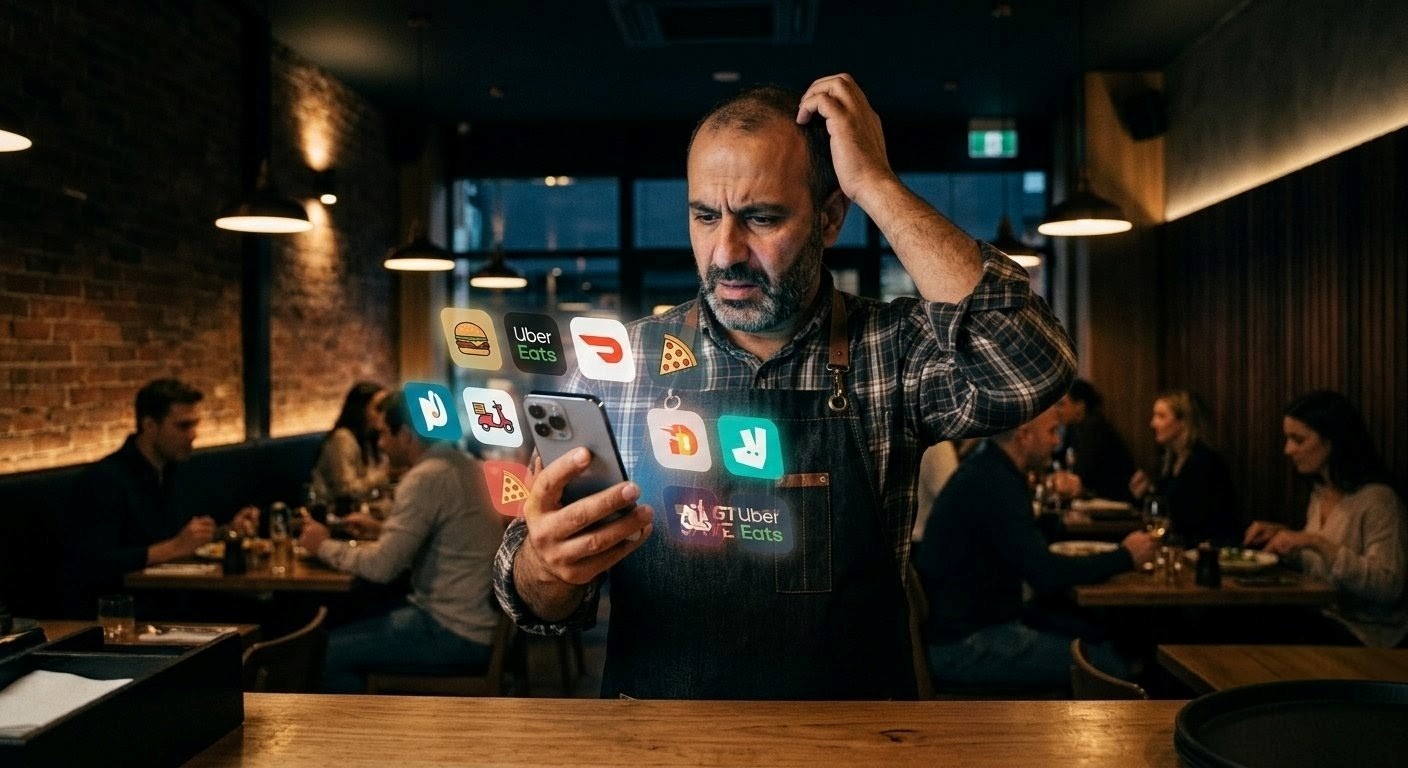
But here’s the most important point:
Customers are not looking for an app — they are looking for the easiest way to order.
In a fast-paced world, most users do not want to download a new app for every restaurant or go through complicated sign-up steps. What they simply want is:
- Fast access
- An easy experience
- An order completed within seconds
It’s true that digital ordering has become the new standard for speed and accuracy, but that does not necessarily mean that a mobile app is the only solution.
In fact, many restaurants invest in apps that customers rarely use, while other restaurants successfully meet the same expectations — and sometimes even better — through simpler and more direct solutions.
The problem is not the absence of an app, but the way the ordering experience is delivered. Today’s users are not looking for more apps; they are looking for a fast and simple experience they can access instantly without complications or extra steps.
And despite the big promises surrounding the idea of a “restaurant app,” reality reveals a clear gap between expectations and results.
This leads to the most important question: Why do restaurant apps fail?
With the growth of food technology, launching an app for your restaurant may seem like a smart move on paper, but in reality, the picture is very different.
The issue is not the app idea itself, but how it is executed. This is where many restaurants repeat the same mistakes, such as:
-
Complex user experience: Any complication in browsing or ordering means instantly losing the customer. Today’s customer wants to place an order within seconds, without extra steps.
-
Lack of identity and uniqueness: When the app does not reflect the restaurant’s identity, it becomes just another generic copy with no real value.
-
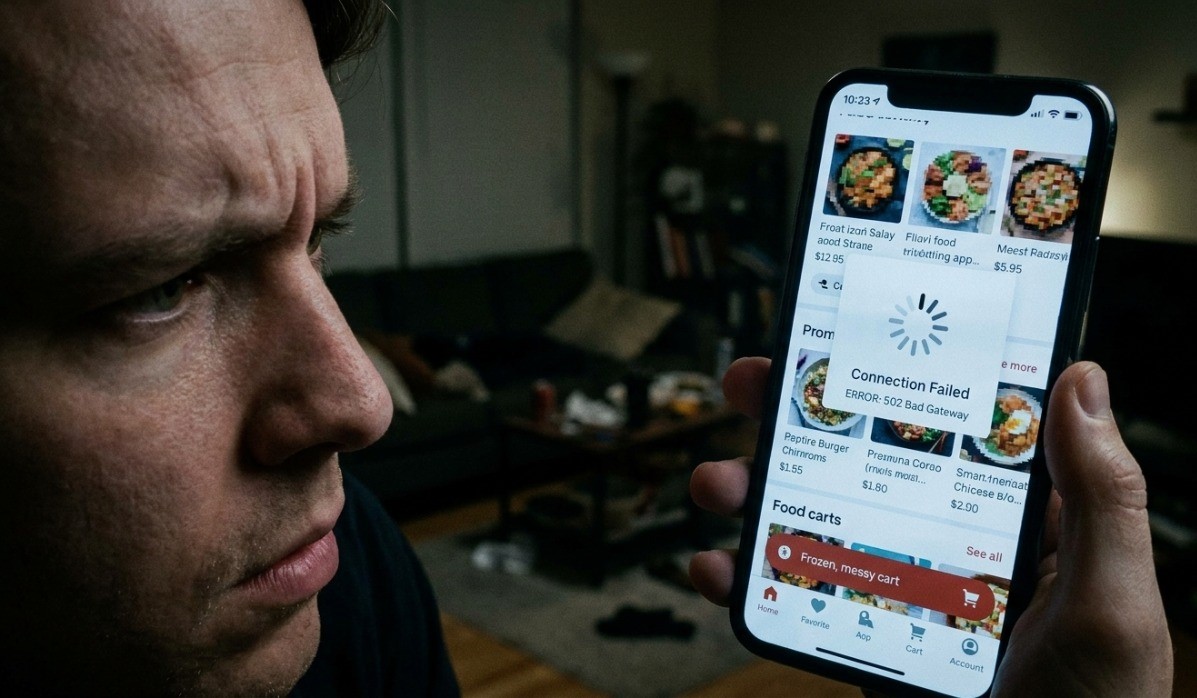
Weak technical infrastructure: Slow loading times or technical issues do not just frustrate users — they destroy trust and often lead to the app being deleted.
-
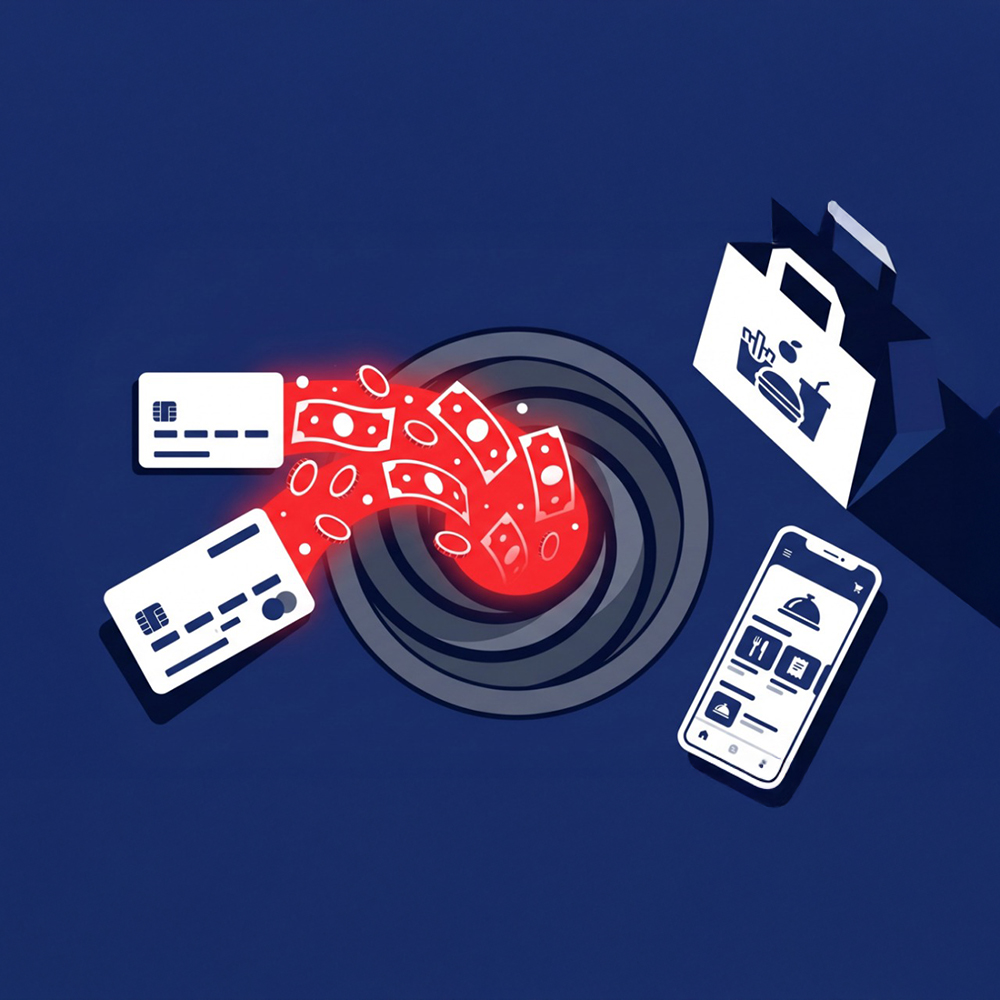
No clear revenue model: Without a clear strategy (loyalty, subscriptions, repeat orders), the app turns from a growth tool into a financial burden.
Read more: The profit you don’t see: How chargebacks silently drain your restaurant’s profits.
-
Ignoring customer data: Failing to analyze user behavior leads to random decisions and repeated mistakes.
The rise of restaurant apps… but the numbers reveal the truth
Despite the massive growth in the food delivery app market, success may seem guaranteed — but the reality is different.
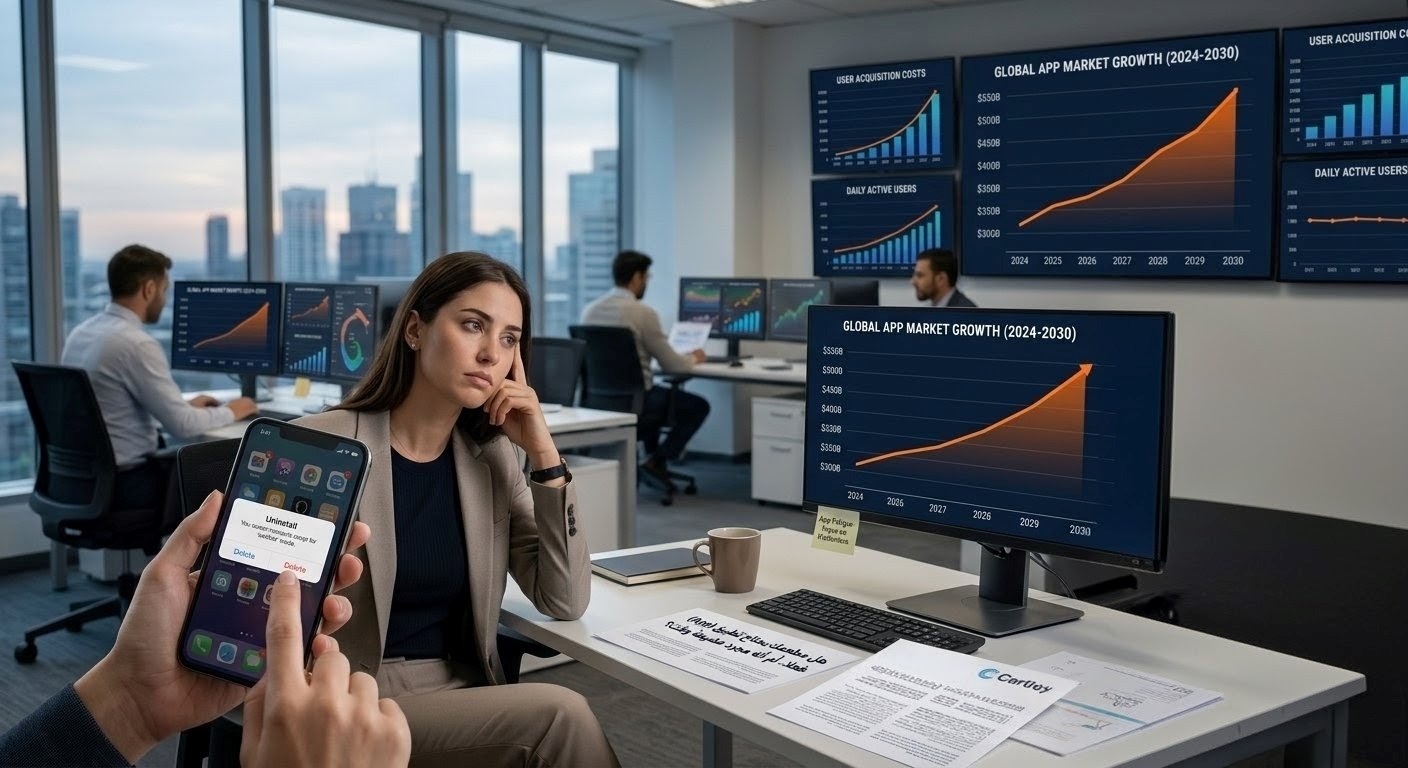
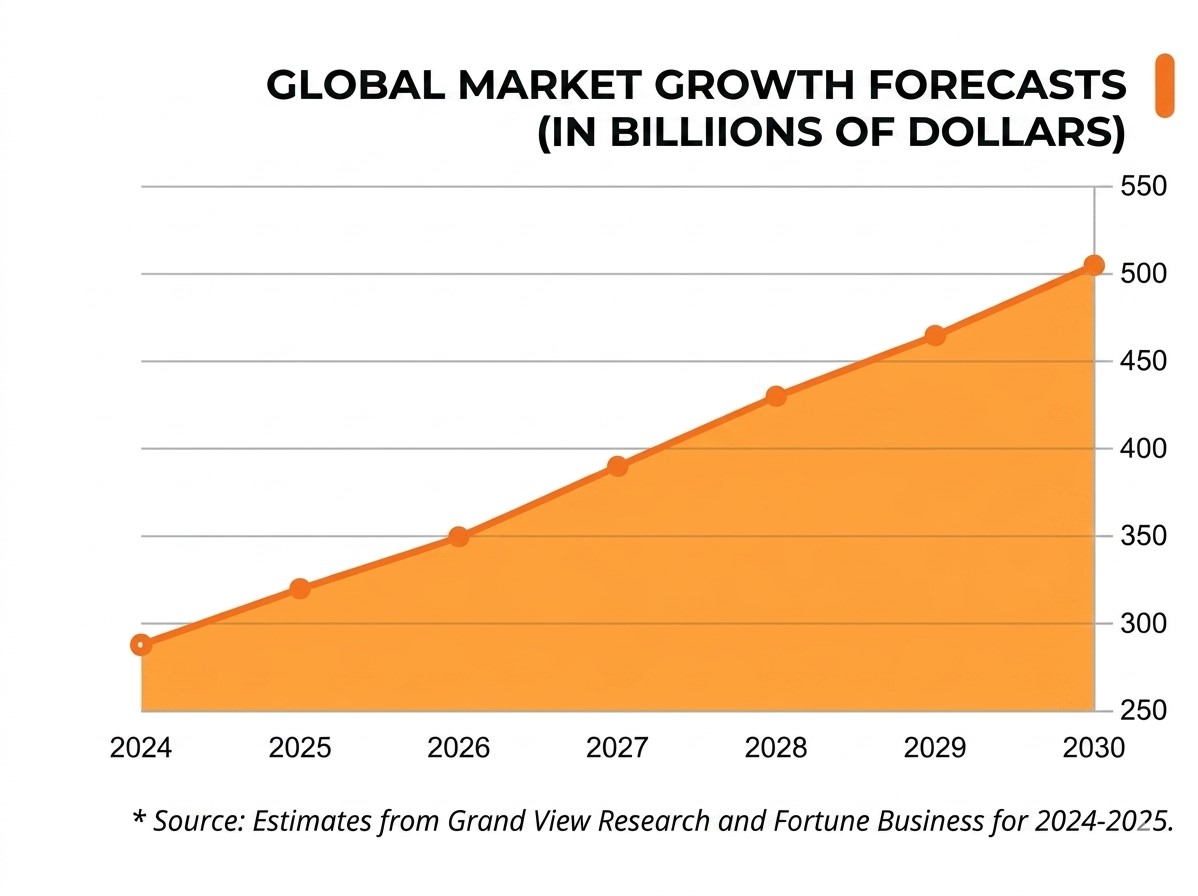
Reports indicate that the global food delivery market is experiencing rapid growth, with expectations to exceed $500 billion in the coming years, growing at nearly 10% annually.
But behind this growth, another reality appears:
What do the numbers say?
-
A large percentage of restaurant apps are deleted within the first few weeks after being downloaded.
-
The reason is often poor user experience, slow performance, or complicated ordering processes.
-
Many apps are not actively used after installation.
Where is the problem?
-
Focusing on looks and design while neglecting the ordering experience
-
Too many steps that complicate the process instead of simplifying it
-
Lack of a clear strategy for generating profit
-
Not taking advantage of customer data
In short:
Market success does not necessarily mean app success. The problem is not the idea itself, but the way it is executed. That’s why many restaurant apps turn from a growth opportunity into an operational burden that weighs heavily on the business.
So when does an app become a waste of time, and when do you need a simpler solution?

Not every restaurant needs an app, and in many cases, the problem is not the absence of an app in the first place, but the way the business itself is managed.
Building an app for a restaurant that already suffers from fundamental issues will not solve those problems — it may only make them more complicated and expensive.
When does an app actually become a waste of time?
Not every restaurant needs an app. In many cases, the problem is not the absence of an app, but the foundation of the business itself. Launching an app for a restaurant that already suffers from internal issues will not solve them — it will only add more complexity and cost. An app becomes a waste of time when:
-
There is no clear financial vision: If the numbers are unclear, an app will not magically create profits.
-
The business model is undefined: If you do not understand your customer or how your business generates revenue, the app will not change that.
-
Weak marketing and visibility: An app does not bring customers on its own. If people do not know your restaurant, they will not download the app.
-
Internal operational problems: Delays, mistakes, and poor service will not be hidden by an app — they will become even more visible.
-
Ignoring the customer experience: If the experience is not good today, having an app will not change that reality.
So when do you need a simpler solution?
When your real goal is:
-
Making the ordering process easier
-
Reducing time and effort for the customer
-
Increasing orders without technical complexity
-
Reaching customers quickly without requiring them to download an app
Then you do not need an “app” — you need a smart, fast, and direct ordering experience.
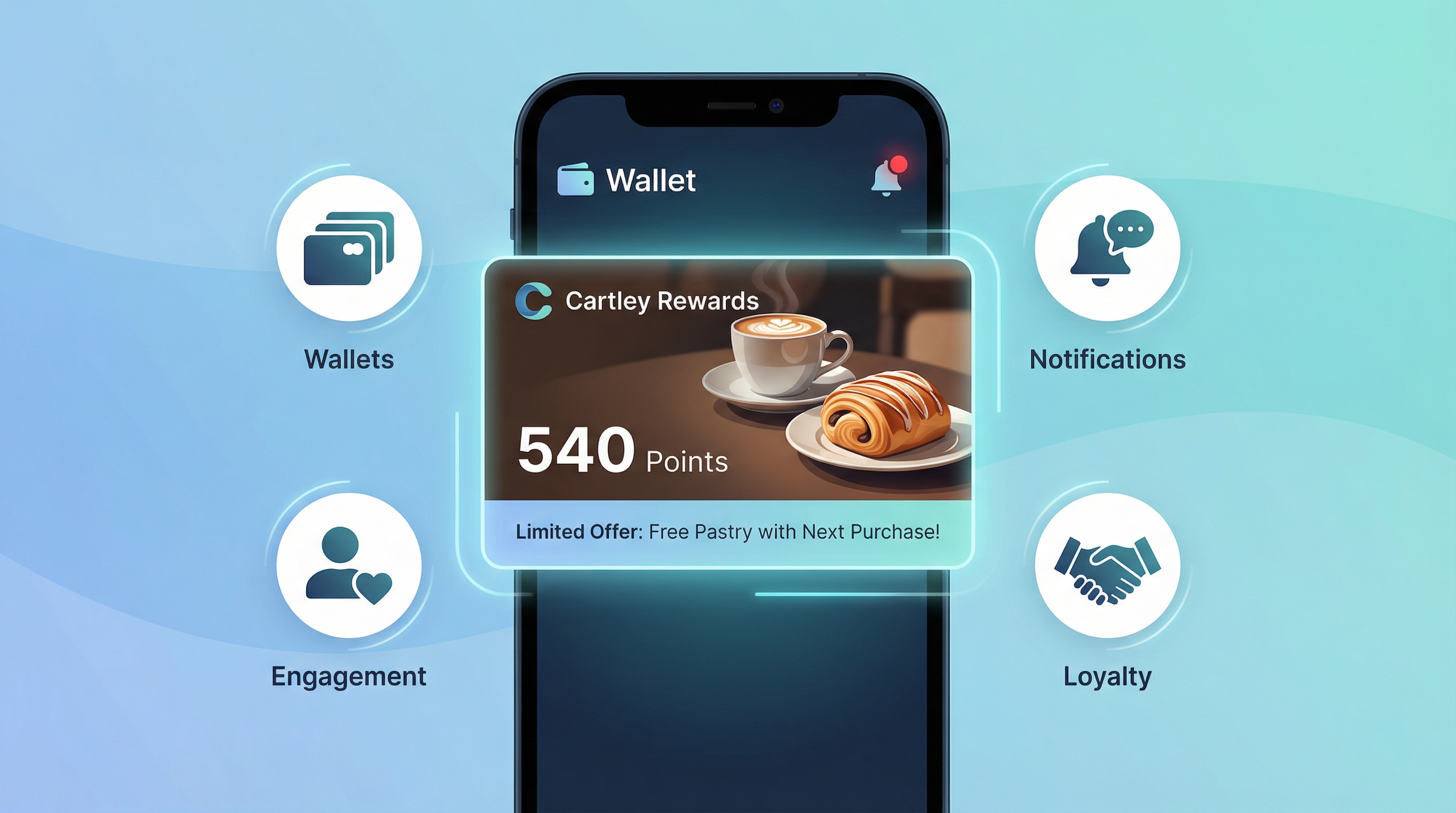
Cartley: An easier ordering experience without the need for an app.
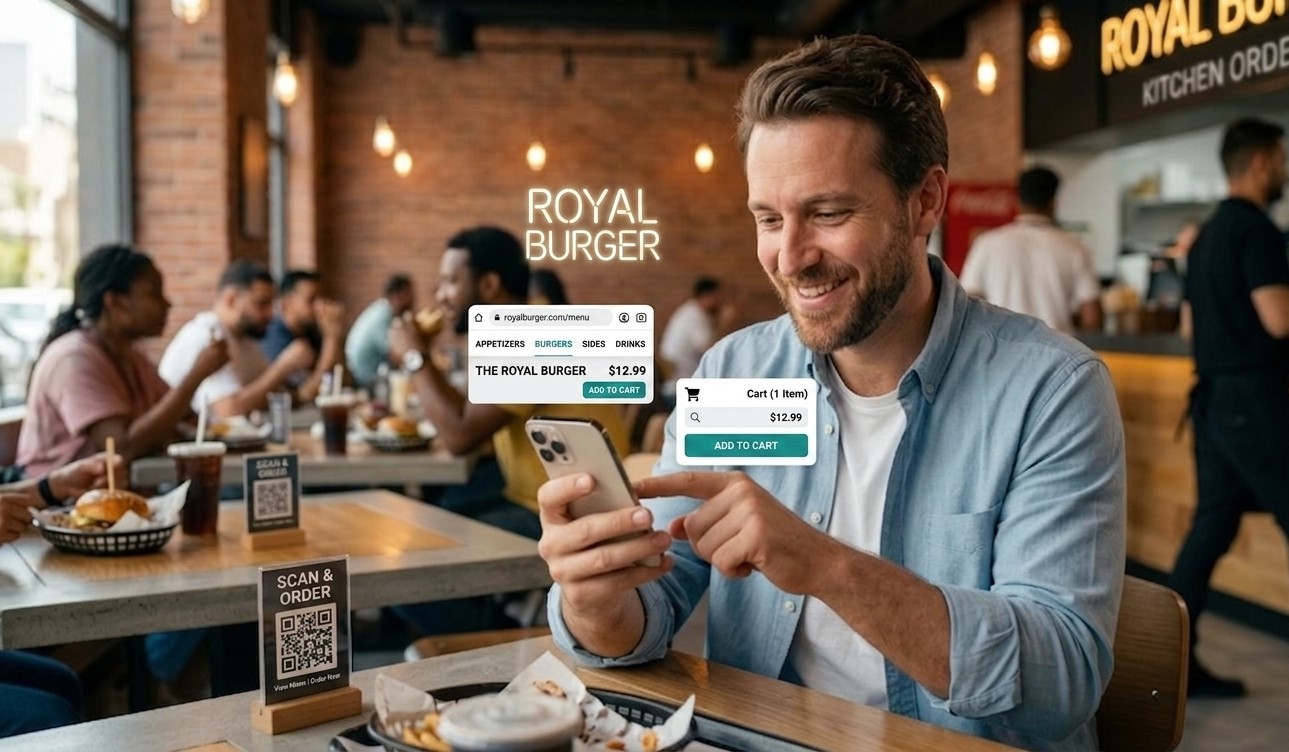
An app may seem like an advanced step, but in many cases, it only adds another layer of complexity. On the other hand, customers are not looking for an app — they are looking for a fast and simple ordering experience.
That is why the solution is not about adding more tools, but about simplifying the path between the customer and their order. This is where Cartley comes in as a different solution — redesigning the ordering experience from the ground up:
-
No downloads
-
No extra steps
-
No barriers
If you are looking for a way to increase your orders without complexity, then maybe it’s time to try something simpler… Cartley.
Sources
https://www.statista.com/outlook/dmo/online-food-delivery/worldwide
https://www.mckinsey.com/industries/technology-media-and-telecommunications/our-insights/ordering-in-the-rapid-evolution-of-food-delivery
https://www.businessofapps.com/data/app-statistics/
Frequently Asked Questions
Not necessarily. Customers aren't looking for a new app — they're looking for the easiest way to order. Many restaurants meet that same expectation, and sometimes exceed it, through simpler and more direct solutions that don't require an app at all.